

A shaky desk mount and a mismatched set of controls can make even the best flight software feel flat. The right flight simulator bundles solve that fast by bringing your seat, flight controls, display options, and ergonomics into one system built for repeatable training and serious immersion.
For buyers who care about realism, the bundle matters as much as the individual parts. A powerful yoke or HOTAS on its own will not fix flex in the frame, poor seating position, or awkward monitor placement. The difference between a setup you use for a week and one you keep refining for years usually comes down to integration - how the cockpit, controls, visuals, and upgrade path work together under load.
What makes flight simulator bundles worth it
The biggest advantage is compatibility. When you assemble a simulator one piece at a time, you can end up chasing bracket fitment, USB conflicts, limited adjustment, or a seating position that never feels right. Bundles reduce that friction. They are built to give you a more complete foundation from day one, especially if you want a setup that feels closer to aviation training than casual desktop flying.
That matters whether you are practicing VFR procedures, working on instrument discipline, or just trying to build more consistent control inputs. A stable cockpit changes how you fly. It keeps your yoke, rudder pedals, throttle, and screens in a fixed relationship to your body, which improves comfort and helps muscle memory develop faster.
There is also a value argument. Premium hardware is an investment, but a well-planned bundle often saves money compared with buying every component separately and replacing weak links later. If you start with a cockpit that can support more advanced controls, larger displays, motion, or FAA-certified components down the road, you are buying longevity instead of starting over.
How to choose flight simulator bundles that fit your goals
The first question is not price. It is use case. A home pilot who wants realistic general aviation handling has different needs than a user focused on military-style controls, helicopter training, or a mixed-use simulator room that also supports racing. The best bundle is the one that matches how you plan to fly most often.
For skill building, start with ergonomics
A good flight setup should let you fly longer without fighting the hardware. Seat position, pedal distance, control height, and monitor alignment all shape the experience. If the cockpit is too upright, too cramped, or too flexible, your precision suffers. That is why premium bundles put so much emphasis on adjustability.
Look for a cockpit that supports multiple seating positions, solid pedal mounting, and dedicated control trays or mounts. If several people will use the system, fast adjustment becomes even more important. A well-engineered frame can handle different pilot sizes without turning setup changes into a project.
Choose controls based on aircraft type
This is where it depends. If your priority is civilian fixed-wing flying, a yoke-and-throttle configuration often makes more sense. If you spend more time in tactical aircraft or space/jet environments, a stick and throttle setup may feel more natural. Rudder pedals are almost always worth including, because they add far more realism than most buyers expect.
The key is making sure the cockpit supports those controls without compromise. A premium bundle should not force a general-purpose mount into a role it was never designed for. Proper positioning matters. If the throttle sits too high or the stick is offset awkwardly, you lose the very realism you paid for.
Visual immersion changes everything
Displays are not just cosmetic. They affect depth perception, scan habits, and overall situational awareness. Some pilots prefer ultrawide or triple-monitor layouts for a wide field of view and easier instrument reading. Others want VR for stronger cockpit presence and head-tracking freedom.
There is no single winner here. Triple monitors are easier for long sessions and procedural training, while VR can deliver unmatched immersion if your PC and headset are up to the task. The smart move is choosing a bundle platform that gives you options. A rigid cockpit with proper monitor stand compatibility leaves room to evolve without rebuilding your simulator around a new display choice.
The difference between entry-level and premium bundles
Not every pilot needs a top-tier cockpit on day one, but many buyers underestimate how quickly they outgrow entry-level gear. Lower-cost packages can get you airborne, but the trade-off is usually rigidity, adjustability, and expansion. Under braking or cornering that matters in racing - and in flight simulation the equivalent issue shows up as unwanted movement in the controls, shifting pedal angles, and less confidence during precise maneuvers.
Premium flight simulator bundles are built differently. The frame is stronger, the mounting is more exact, and the seating and control geometry are designed for repeat use. That translates into a more serious training environment. It also protects the rest of your investment, because your cockpit is not the weak point holding back better controls, larger screens, or advanced accessories.
If you are buying with a long-term plan in mind, this is where value shows up. Spending less upfront can be the more expensive route if you replace the seat, cockpit, monitor stand, and mounts one by one over the next year.
Features serious buyers should prioritize
Rigidity comes first. If the cockpit flexes, every other upgrade feels compromised. A strong frame keeps your controls stable during aggressive inputs and helps the simulator feel more like a professional-grade environment.
After that, focus on adjustability and compatibility. Can the cockpit support different flight control formats? Can it accommodate monitor stands, PC trays, keyboard mounts, or VR accessories? Can it grow into a more advanced package if your needs change?
Warranty coverage and support also matter more than many buyers realize. Premium simulation hardware is not a disposable purchase. You want a company that understands setup, compatibility, and long-term ownership - not just a seller moving boxes. That becomes especially important when you are integrating multiple peripherals and trying to create a clean, reliable ecosystem.
Why bundled ecosystems outperform pieced-together setups
A complete ecosystem gives you momentum. Instead of spending weeks comparing brackets, adapters, and layout compromises, you can focus on dialing in your position and flying. That is a major advantage for enthusiasts who want to train consistently and for first-time buyers who do not want their simulator project to stall before it is fully functional.
There is also a performance benefit in having one system designed to work as a whole. Matching aesthetics are nice, but the real win is engineering alignment. Controls sit where they should. The seat supports longer sessions. The display mounting works with the cockpit rather than around it. The result is a simulator that feels intentional instead of improvised.
For many buyers, that confidence is what justifies the bundle. You are not only buying parts. You are buying a platform.
Who should invest in advanced flight simulator bundles
Serious aviation enthusiasts are the obvious fit, but they are not the only ones. Aspiring pilots, content creators, households building a dedicated simulator room, and mixed-use users who want premium immersion all benefit from a bundled approach. Even beginners can make a smart move here if they know they care about realism and do not want to climb through several temporary setups first.
That said, not everyone needs the biggest package available. If you are new to flight simulation, a streamlined bundle with a strong cockpit foundation and room to upgrade is often the better call than maxing out every category immediately. The goal is to build a system you will actually use, not a spec sheet that looks impressive but does not fit your space, budget, or training style.
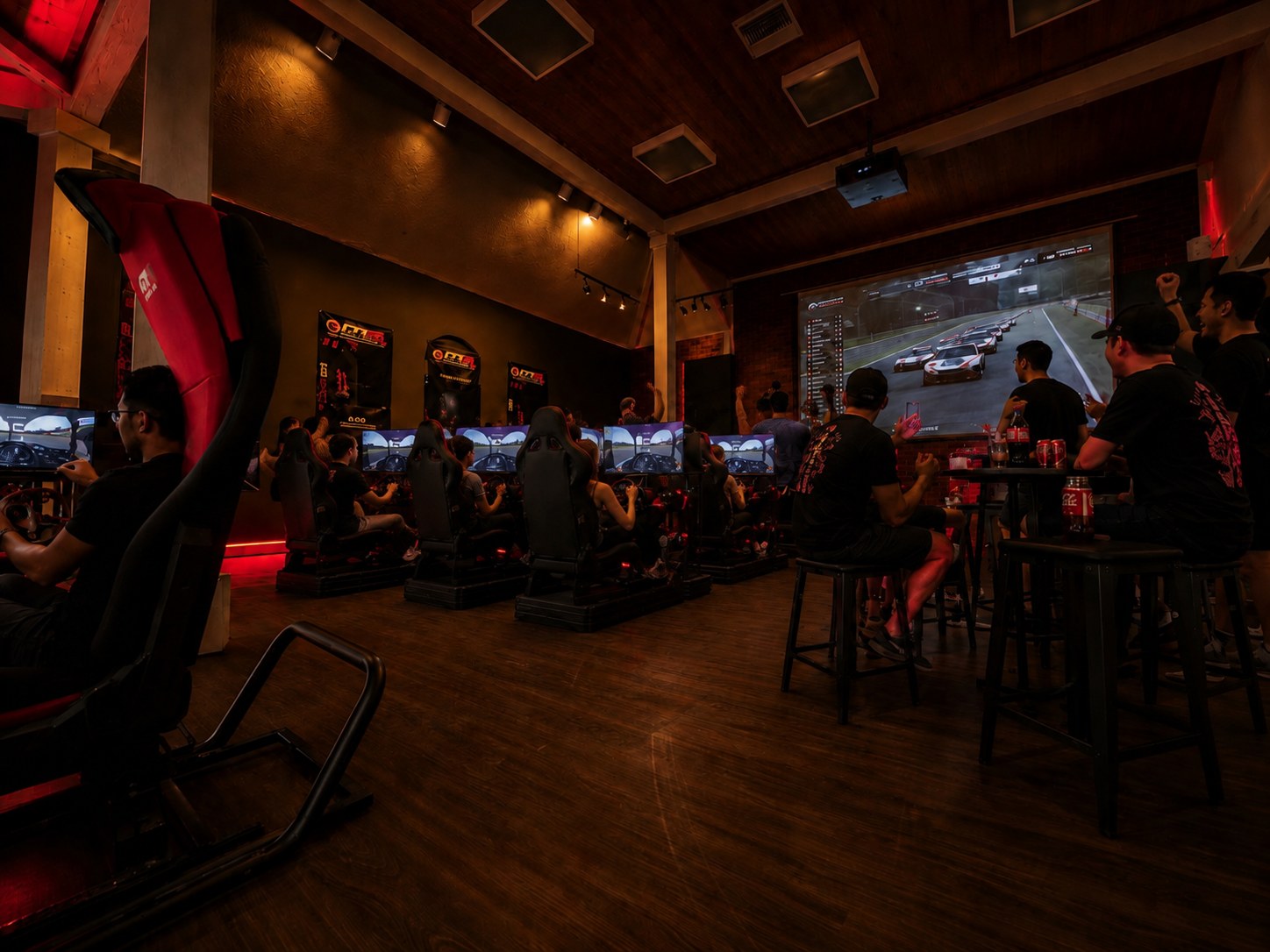
For buyers who want to compare layouts before investing, hands-on experience can make the decision easier. That is one reason GTR Simulator’s experience and training center in Ontario, California adds real value - it gives Southern California enthusiasts a chance to understand what premium immersion feels like before choosing a home setup.
The best flight simulator bundles do more than simplify shopping. They create a more realistic, repeatable, and expandable environment for learning and immersion. If you choose a bundle with strong engineering, smart compatibility, and a clear upgrade path, you are not just buying hardware - you are building a cockpit that can keep pace with your skill.
Share:
Direct Drive Wheel Bases Explained
Sim Cockpit vs Wheel Stand: Which Fits You?