

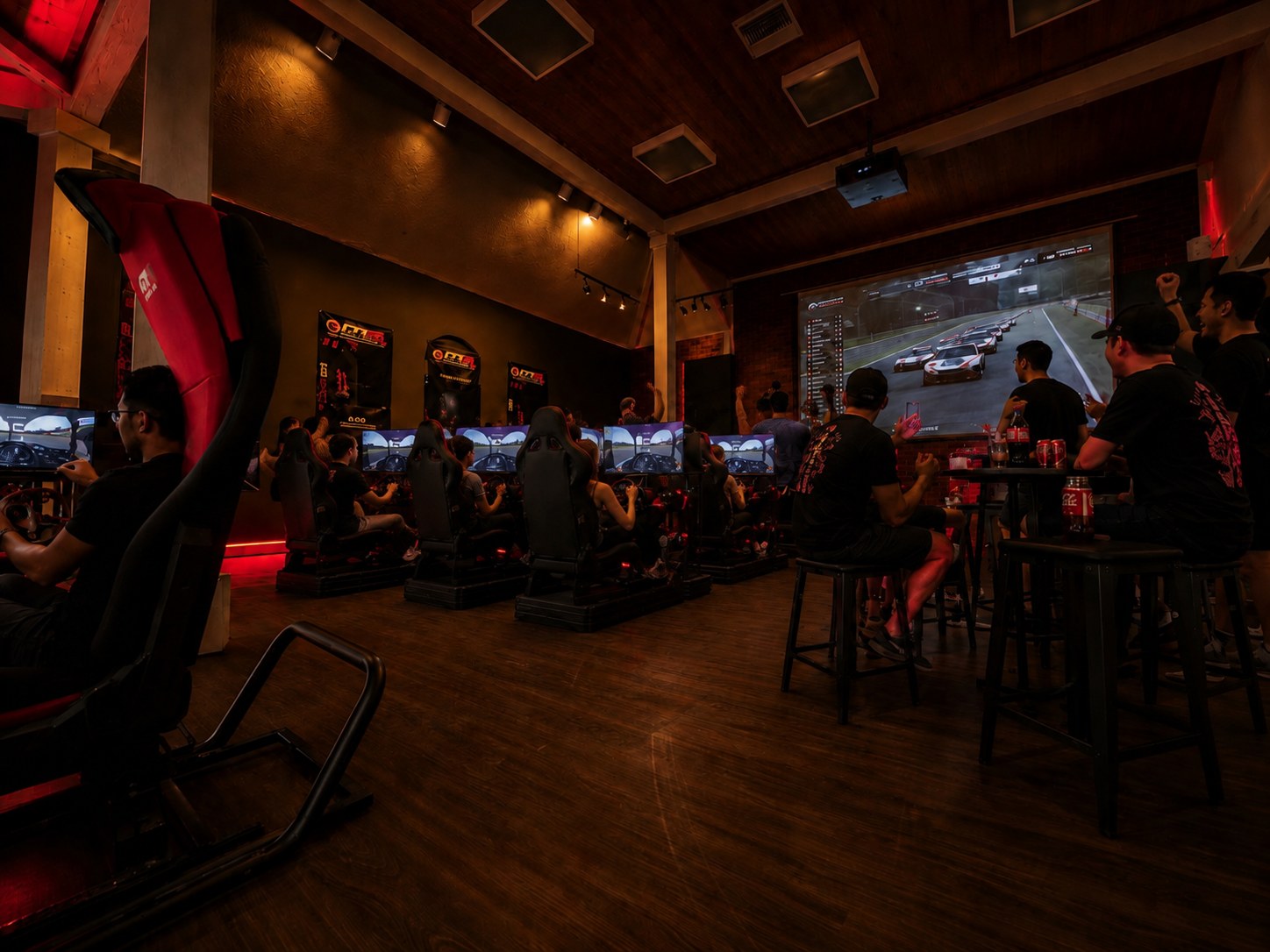
If your wheel stand flexes every time you brake hard, you already know the problem. The best sim racing cockpit for home use is not just a nicer frame - it is the difference between playing a racing game and building a serious driver-focused setup that can handle real force, real consistency, and real immersion.
A home cockpit has one job: turn your hardware into a stable, repeatable platform. That sounds simple until you start comparing foldable rigs, fixed frames, bundled systems, monitor mounts, pedal plates, and direct drive compatibility. The right choice depends on how hard you drive, how much room you have, and whether you are buying for today’s setup or the one you plan to grow into six months from now.
What makes the best sim racing cockpit for home use?
Rigidity comes first. If the frame twists under load, you lose precision at the wheel and confidence on the pedals. That matters even more with load cell brakes and direct drive wheel bases, where small movements in the cockpit can blur what the car is telling you. A stable cockpit lets you focus on braking points, steering inputs, and consistency instead of fighting your hardware.
Ergonomics matter just as much. A cockpit can look aggressive and still be wrong for long sessions if the seat angle, pedal position, or wheel height forces your body into a bad posture. The best home rigs give you enough adjustment to set up something close to a real driving position, whether you prefer GT, road-car, or formula-inspired seating. Good ergonomics are not a luxury feature. They help you drive longer and with better control.
Then there is compatibility. Many buyers make the mistake of choosing a cockpit that works with their current wheel and pedals but leaves no room for an upgrade. That usually becomes expensive. A stronger wheel base, a heavier pedal set, a shifter, a handbrake, or a triple monitor stand can quickly expose the limits of an entry-level frame. The better move is to buy a cockpit with a clear upgrade path and enough structure to support future hardware.
The biggest decision: foldable or fixed
For some buyers, the best sim racing cockpit for home is a foldable model because space is the non-negotiable factor. If your setup has to live in an office, bedroom, or shared room, portability can be the feature that makes sim racing practical. A quality foldable cockpit is easy to appreciate when you can store it after a session and still keep a serious driving position when it is in use.
The trade-off is straightforward. Foldable rigs usually prioritize convenience over maximum stiffness. That does not mean they are weak by default, but it does mean you should be realistic about the hardware you plan to mount. A casual belt-driven wheel and two-pedal set place very different demands on a cockpit than a direct drive base and load cell pedals.
Fixed cockpits are the performance choice. They are built for stability, repeatability, and expansion. If you want a platform that feels planted under hard braking, supports aggressive force feedback, and keeps your monitors and accessories exactly where you expect them, a fixed frame usually wins. It also tends to look and feel more like a permanent motorsport installation, which is exactly what many home users want.
Why frame design matters more than flashy features
A lot of shoppers get pulled toward cosmetic add-ons before they lock down the basics. Seat style, finish, and visual design all matter, but the engineering under the seat matters more. The backbone of a high-performance cockpit is its frame geometry, mounting structure, and reinforcement around the wheel deck and pedal plate.
The wheel area needs to stay planted under torque. If it shakes or lifts under heavy steering inputs, your expensive wheel base cannot perform the way it should. The pedal area needs the same attention, especially for load cell braking. The moment you start using real pressure to trail brake into a corner, weak pedal mounting becomes obvious.
This is where premium cockpit brands separate themselves. A specialist manufacturer that designs around enthusiast and pro-level use understands that realism is not just about appearance. It is about creating a platform that lets the hardware deliver accurate feedback, lap after lap.
Seat choice changes the whole experience
People often talk about wheel bases first, but the seat is where every session begins. A bad seat can ruin a strong cockpit. Too soft, and you lose support. Too narrow, and longer races become a chore. Too upright or too limited in adjustment, and your arms and legs never settle into a natural position.
For home use, comfort and support have to coexist. You want enough bolstering to feel locked in during intense driving, but not so much that the seat becomes restrictive for daily use. If multiple people will use the cockpit, adjustability becomes even more important. Shared setups need practical seat movement and enough flexibility in wheel and pedal positioning to avoid constant frustration.
The best cockpit setups also account for session length. Someone running short arcade races can tolerate a lot more than someone spending two hours in iRacing, Assetto Corsa, ACC, or a full endurance stint. If realism matters, the driving position should feel intentional, not improvised.
Monitor mounting, immersion, and the home setup reality
A cockpit does not exist in isolation. It lives inside a room, and that room has limits. This is why the best sim racing cockpit for home buyers is usually the one that balances immersion with footprint. A large fixed rig with triples can be spectacular, but only if you have the space to position it correctly and live with it comfortably.
Single-monitor users still need proper screen placement. If your display sits too high or too far away, the driving experience loses intensity fast. Integrated or matching monitor stand options can make a big difference because they help align the visual field with the cockpit rather than forcing a desk monitor into an awkward compromise.
VR users have a little more freedom on monitor placement, but they still need a rigid cockpit. In fact, cockpit movement can feel even more distracting in VR because your body notices every unwanted shift. Stable hardware supports better immersion whether you run a monitor, triples, or a headset.
Buy for your upgrade path, not just your first week
The smartest home sim buyers think in stages. Maybe you start with a wheel and pedals today, then add a shifter, handbrake, better seat, or stronger wheel base later. That path is common, and a cockpit should support it without forcing a total rebuild.
A modular approach protects your investment. Accessory mounts, monitor options, reinforced wheel support, and broad peripheral compatibility all matter because they keep your platform relevant as your setup evolves. This is where enthusiast-led brands earn trust. When a cockpit is designed as part of a larger ecosystem, adding components feels deliberate instead of patched together.
That long-term value matters more than a cheap entry price. A low-cost rig that needs replacing after one hardware upgrade is not really the affordable option. A stronger cockpit that lasts through multiple stages of your sim racing journey usually wins on both performance and value.
So what is the best sim racing cockpit for home?
It depends on the kind of driver you are. If space is tight and convenience decides everything, a premium foldable cockpit can be the right answer. If realism, stiffness, and future upgrades are your priority, a fixed cockpit is the stronger investment. If you are building around direct drive and load cell hardware, skipping the bargain frame is usually the smarter call.
For most enthusiasts and prosumers, the sweet spot is a cockpit that combines rigid construction, meaningful adjustability, broad compatibility, and room to expand. That is the setup that keeps pace as your skills and hardware improve. It does not just hold your gear - it becomes the foundation of your entire simulator.
This is why specialist brands stand out in the category. A company like GTR Simulator builds around the idea that the track comes to your house, but the promise only works if the hardware feels engineered, stable, and ready for serious use. Professional-grade realism starts with the platform under you.
Before you buy, be honest about your room, your current hardware, and your next upgrade. A cockpit should match your life as much as your lap goals. Get that balance right, and every braking zone, apex, and exit feels sharper the moment you strap in.
Share:
Best Foldable Racing Simulator Cockpit?
Best Racing Simulator Bundle with Seat