

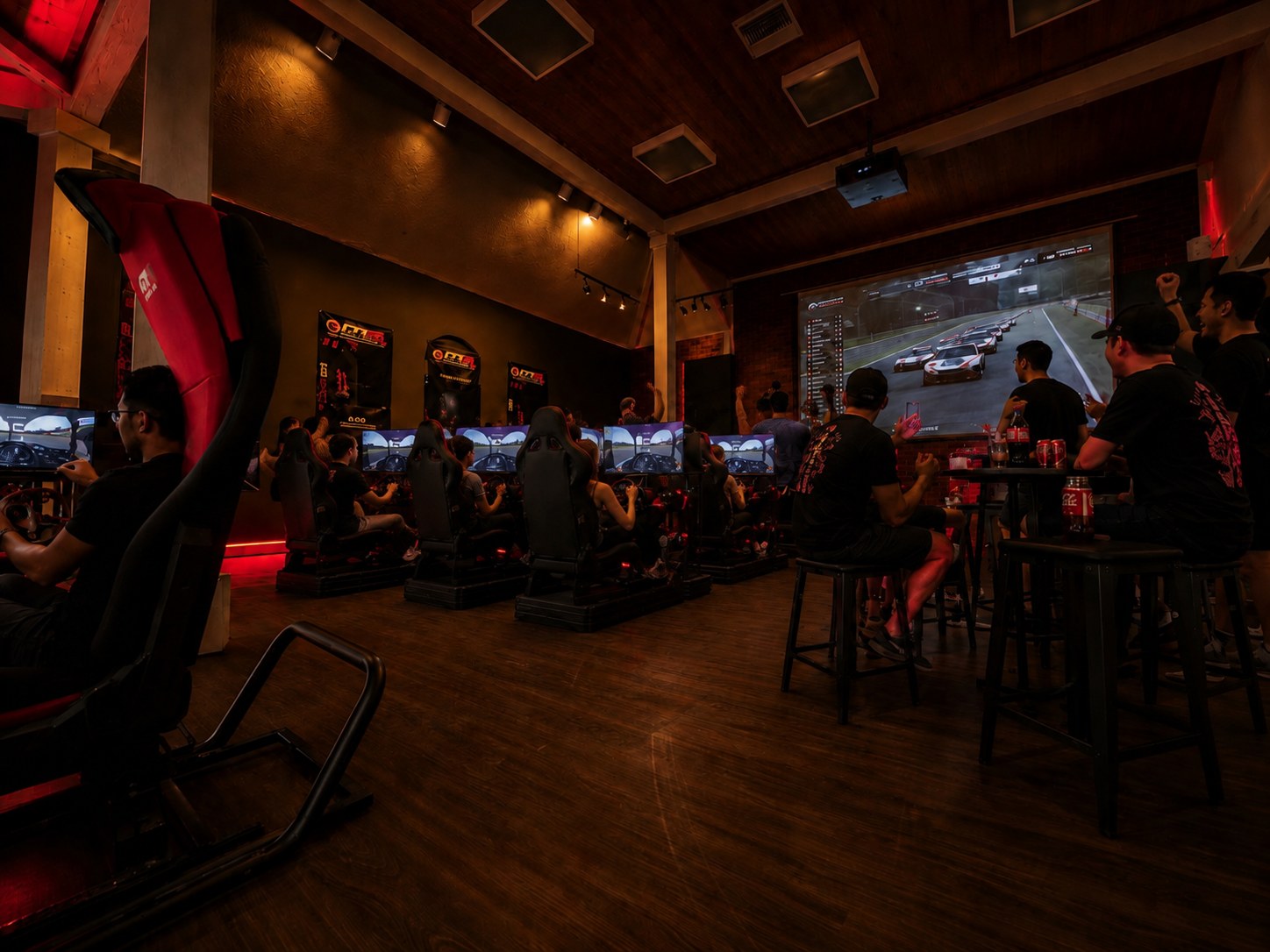
A serious u.s. air force simulator cockpit does not earn attention because of branding alone. It earns it when the seat position, control mounting, structural rigidity, and overall ergonomics support repeatable training instead of short novelty sessions. That distinction matters if your goal is to build real familiarity with aircraft workflows, improve procedural discipline, or create a home flight setup that feels engineered rather than improvised.
For aviation enthusiasts, aspiring pilots, and experienced sim users upgrading from a desk-and-clamp arrangement, the cockpit is the foundation of the entire experience. Screens, VR, yokes, HOTAS systems, rudder pedals, and software all matter, but they only perform as intended when the frame underneath them is stable, adjustable, and built around pilot posture. If the platform flexes, shifts, or forces awkward reach angles, immersion breaks fast and training value drops with it.
What sets a U.S. Air Force simulator cockpit apart
A U.S. Air Force simulator cockpit carries a different expectation than a generic flight seat. The appeal is not just visual identity. It is the combination of licensed authenticity, purpose-built design, and a more disciplined approach to how the pilot interfaces with the machine. Buyers in this category are typically looking for more than a place to mount controls. They want a cockpit that communicates aviation credibility the moment they sit down.
That changes the buying criteria. A casual user may focus first on appearance, but a serious enthusiast usually starts with geometry, adjustability, and compatibility. Where are the side mounts positioned? Can the frame support center-stick or side-stick configurations? Is pedal distance easy to fine-tune? Can the seating position accommodate shorter sessions and extended training blocks without fatigue? Those are the questions that separate a display piece from a tool.
Licensed cockpit design also adds value for buyers who care about authenticity. In simulation, details influence behavior. A cockpit that looks and feels closer to a military-inspired environment can encourage more focused sessions, better checklist habits, and a stronger sense of immersion. That does not automatically make someone a better pilot, but it often leads to more consistent practice, which is where progress actually comes from.
The core features that matter most
The best cockpit setups start with rigidity. Flight controls generate different loads than many first-time buyers expect, especially with higher-end yokes, throttle quadrants, and forceful rudder inputs. A frame that moves under load creates inconsistency. You begin compensating for hardware movement instead of learning smooth, repeatable control inputs.
Adjustability comes next. A premium cockpit should allow meaningful changes to seat position, pedal angle, control height, and mounting distance. This is not a luxury feature. It is essential for getting the body aligned with the controls. Small fit issues become major distractions over time, particularly in instrument practice, formation-style flying, or long procedural sessions.
Compatibility is just as important. Many sim users build in stages. They may begin with one HOTAS setup, move to different rudder pedals, add multi-monitor support, or transition into VR. A cockpit with broad hardware compatibility protects that investment path. It gives you room to refine the system without replacing the foundation every time your equipment evolves.
Then there is immersion. This word gets overused, but in a cockpit discussion it has a practical meaning. Immersion is what happens when the equipment disappears and your attention stays on flight tasks. Good cockpit design helps with that by keeping controls exactly where they should be, maintaining stable visual alignment with displays, and reducing the little physical annoyances that pull you out of the moment.
Why ergonomics matter more than most buyers expect
Many people shopping for a u.s. air force simulator cockpit think first about the frame and the mounts. The seat deserves equal attention. Poor seating geometry can undermine an otherwise excellent build. If your back is unsupported, your knees sit too high, or your shoulders are reaching forward for throttle and stick access, long sessions become work in the wrong way.
Proper ergonomics improve both comfort and precision. When your body is stable, your control inputs tend to be cleaner. Rudder work becomes more deliberate. Throttle changes feel more measured. You can maintain focus through checklist-driven tasks, instrument scans, and repeated training exercises without fighting posture fatigue.
This is one of the biggest differences between entry-level setups and more advanced simulator ecosystems. The better systems are designed around sustained use. That matters for enthusiasts, but it matters even more for users treating simulation as a training bridge rather than occasional entertainment.
Who should invest in this type of cockpit
Not every flight sim user needs a licensed cockpit platform. If you fly occasionally, use lightweight controls, and prefer a flexible multi-use desk setup, a full cockpit may be more than you need. There is no value in buying premium structure if it will sit underused.
But for the right buyer, the upgrade is dramatic. A dedicated cockpit makes sense for users who fly several times a week, want a permanent training environment, or are frustrated by unstable mounting and inconsistent positioning. It is especially compelling for enthusiasts who care about military-inspired aesthetics, serious hardware integration, and the feeling of entering a dedicated flight station rather than repurposing an office chair.
It also fits educational and experiential environments. A structured cockpit setup can support more disciplined instruction, cleaner session flow, and a stronger sense of realism for students, visitors, or members using the same equipment repeatedly. In those cases, durability and adjustability become just as important as the visual impact.
Building the right simulator around the cockpit
A cockpit is only one part of the system, but it determines how well everything else works together. The display strategy is a good example. If you are running triple monitors, the seating position and eye line need to align with the visual field. If you are using VR, stable body positioning becomes even more important because your physical reference points are reduced once the headset goes on.
Control selection also matters. Some users prefer a military-style HOTAS arrangement for tactical aircraft experiences, while others need more flexibility across different aircraft categories. The cockpit should support your most-used flight profile first, not every possible profile equally. Trying to build one rig for every scenario can lead to compromises that weaken the experience.
Motion is another decision point. It can add intensity and feedback, but it is not essential for everyone. For procedural training, instrument work, and skill repetition, a rigid non-motion platform may be the smarter investment. For users prioritizing sensory impact and higher-end immersion, motion can be worth considering if the cockpit and overall ecosystem are built to support it properly.
The trade-off between realism and flexibility
The strongest cockpits usually make a clear choice. They either lean toward maximum realism for a specific style of flying, or they prioritize broad compatibility for mixed-use simulation. Neither approach is automatically better.
If you want the closest military-inspired experience possible, you may accept a more specialized layout. That can deliver stronger immersion and more convincing pilot workflow, but it may be less convenient if you regularly switch between very different aircraft types or peripheral sets. On the other hand, a more modular cockpit gives you wider hardware freedom, though sometimes at the expense of the focused feel that makes a premium setup special.
That is why the best buying decision starts with your actual use pattern, not your wishlist. Think about how often you fly, which aircraft experiences matter most, and whether your priority is authenticity, versatility, or a careful balance of both.
Why buyers are moving beyond desk setups
At some point, many enthusiasts hit the same wall. Their software improves, their controls improve, and their display setup improves, but the flying still feels compromised. The issue is often not the electronics. It is the physical environment.
A dedicated cockpit changes that. It creates a fixed reference point for your hands, feet, and eyes. It reduces setup time. It gives premium controls the structure they need to perform correctly. Most of all, it turns simulation into a repeatable practice environment instead of a temporary arrangement.
That is where a performance-focused brand like GTR Simulator enters the conversation. For buyers who want professional-grade realism, licensed authenticity, and a cockpit built as part of a larger simulator ecosystem, the advantage is not just what the rig looks like. It is how confidently the entire system works together.
The right cockpit should make you want to train longer, refine more, and take the experience seriously every time you sit down. If a setup can do that, it is not just an upgrade in hardware. It is an upgrade in how you fly.
Share:
8 Best Sim Racing Upgrades That Matter
Direct Drive Wheel Bases Explained