

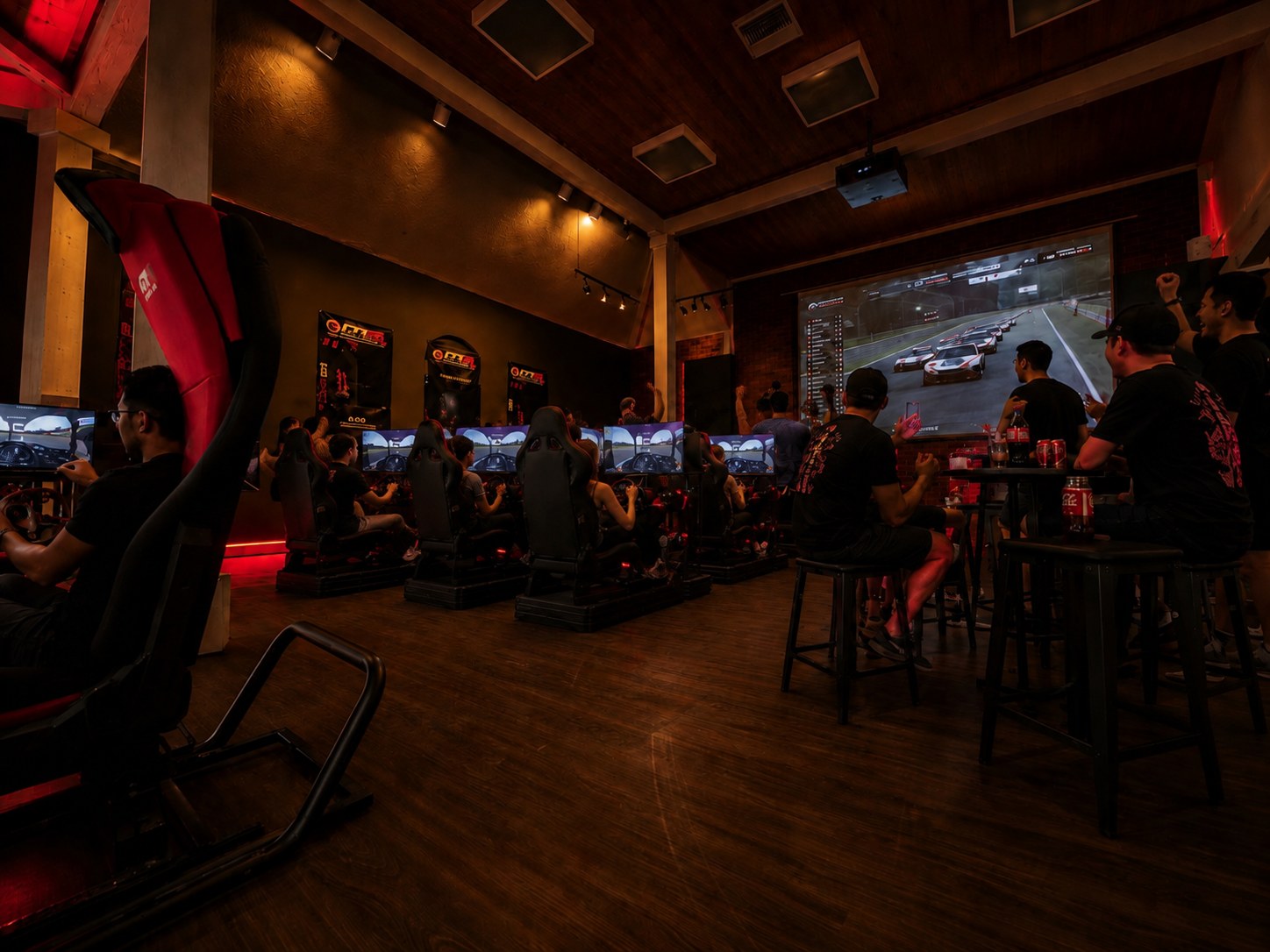
The fastest way to kill sim racing momentum is to spend weeks chasing parts that may or may not work well together. Turnkey racing simulator systems solve that problem by giving drivers a complete, engineered setup built to perform as one package - cockpit, controls, display solution, and often the PC to run it. For anyone who wants the track in the house without the usual compatibility mess, that matters.
This category has grown because buyers are asking for more than a wheel clamped to a desk. They want rigid cockpits, accurate pedal feel, stable monitor placement, stronger force feedback, and hardware that can handle long sessions without flex or fatigue. They also want confidence. When a full system is selected to work together from the start, the buying process gets simpler and the experience gets better.
What turnkey racing simulator systems actually include
A true turnkey package is more than a bundle with a few popular parts thrown together. It is a full simulator ecosystem configured around realism, ergonomics, and compatibility. That usually starts with the cockpit itself. A fixed chassis gives the whole system its foundation, controlling unwanted movement under heavy braking and aggressive steering input. In some cases, foldable options make sense for space-conscious users, but dedicated drivers usually benefit from a more rigid platform.
The next layer is the control set. That means the wheel base, steering wheel, and pedals, all chosen to deliver a consistent feel. Better turnkey systems account for mounting strength, seating position, pedal angle, and adjustability. Those details sound small until you run a longer race and realize comfort is directly tied to lap-time consistency.
Display hardware is another major part of the equation. Some systems are built around single ultra-wide monitors, others around triple-screen setups, and some prioritize VR or XR compatibility. There is no universal winner here. Triple monitors create excellent peripheral awareness and a strong sense of speed. VR pushes immersion further but depends on personal comfort and system performance. A well-designed turnkey setup factors in the visual experience from the beginning instead of treating it like an afterthought.
Then there is the processing power behind it. Many buyers underestimate how important the gaming PC is to sim racing quality. Frame rate stability, graphics settings, and support for modern sim titles all affect how believable the experience feels. If the image stutters when the field compresses into Turn 1, immersion disappears fast.
Why serious drivers choose a turnkey system
The biggest advantage is that turnkey racing simulator systems remove friction. Instead of researching every mount, cable, adapter, and software requirement, buyers get a clear path to a complete setup. That is not just convenient - it protects the investment. Sim racing gear lives or dies by fit, rigidity, and compatibility.
There is also a performance argument. A purpose-built system tends to feel more cohesive because each component supports the others. A strong wheel base needs a cockpit that can absorb torque without twisting. High-performance pedals need secure mounting and proper adjustment. Triple monitors need a stable stand with correct positioning. When those pieces are matched correctly, the result feels more professional and more believable.
For content creators and esports competitors, turnkey systems also reduce downtime. Less time troubleshooting means more time driving, streaming, and practicing. That matters if your setup is part of your routine instead of an occasional hobby.
The trade-offs buyers should understand
Not every driver needs the most advanced package on day one. That is where some nuance matters. Turnkey systems cost more upfront than piecing together an entry-level rig over time. If your goal is casual weekend racing and you are still deciding how deep you want to go, a smaller setup may be enough for now.
There is also the question of upgrade philosophy. Some buyers enjoy the process of building a rig part by part. They want to test different pedal sets, compare wheel shapes, and customize every detail. For them, a turnkey package can feel less hands-on. But for many enthusiasts, that trade-off is worth it because the system gets them to a serious level faster.
Space is another factor. A premium cockpit with monitor stand and dedicated seat changes the footprint of a room. If portability is essential, you need to think carefully about whether a foldable system or a fixed simulator better matches your home. The right answer depends on how often you drive, how much realism you expect, and whether the rig needs to share space with everyday life.
How to evaluate turnkey racing simulator systems
Start with chassis quality. The frame is not glamorous, but it determines how everything else feels. If the cockpit flexes under force feedback or hard braking, the realism drops immediately. Look for strong construction, secure mounting points, and adjustability that lets you dial in driving position without compromising rigidity.
Next, look at the control hardware as a system, not as isolated specs. More torque is not automatically better if the cockpit, wheel, and your own skill level are not matched to it. The best setups balance responsiveness, control, and endurance. Pedals deserve extra attention here. Good pedal feel transforms consistency because braking precision is where many lap times are won or lost.
Display strategy should come after that. A single monitor can be a smart choice for clean packaging and easier setup. Triple monitors create a stronger race-day field of view. VR can be incredible for immersion. The right option depends on budget, room layout, performance expectations, and whether you value convenience over maximum visual immersion.
Finally, evaluate long-term flexibility. The strongest turnkey systems are not dead ends. They give you a professional starting point with room to add upgrades later, whether that means motion compatibility, different wheel rims, improved pedals, flight controls, or a more advanced display layout. That is where brands with broad simulator ecosystems stand apart.
Who benefits most from a complete system
Committed beginners often benefit more than they expect. They do not yet have the experience to know which pieces work best together, so a complete package removes guesswork and shortens the path to a quality experience. Instead of learning through expensive mistakes, they start with a system designed around performance.
Intermediate enthusiasts upgrading from desk-mounted gear are another ideal fit. This is usually the moment when sim racing stops feeling like a game and starts feeling closer to driver training. Better ergonomics, stronger feedback, and a more planted seating position create a major leap in immersion.
Advanced users and creators also have a clear reason to go turnkey. They need hardware that looks clean on camera, performs reliably under repeated use, and supports future expansion. A serious simulator should not feel temporary. It should feel like a platform.
That is one reason brands like GTR Simulator resonate with the performance-minded buyer. The value is not just in individual products. It is in the ability to move from cockpit to controls to full simulator ecosystem with a clear upgrade path and hardware designed around realism, compatibility, and long-term use.
What separates premium systems from cheap bundles
Cheap bundles usually win on price and lose everywhere else. The seat may lack support, the frame may flex, the monitor placement may be compromised, and the controls may feel disconnected from the rest of the rig. On paper, the package looks complete. In practice, it feels like a collection of compromises.
Premium turnkey racing simulator systems are built around structure and experience. The seat position supports longer sessions. The pedal plate handles pressure. The wheel mount stays planted. The display sits where it should. The whole setup feels intentional.
That difference becomes even more obvious over time. A better cockpit protects future upgrades. Better adjustability means more drivers can use the system comfortably. Better compatibility gives you confidence that the rig can evolve with your skill level instead of needing to be replaced.
Buying for realism, not just hardware
The best simulator purchase is not always the one with the longest spec sheet. It is the one that gets used consistently because it feels right every time you sit down. That means thinking beyond torque numbers and monitor size. It means asking whether the system delivers believable driving posture, repeatable pedal control, visual immersion, and the confidence to keep pushing.
When turnkey racing simulator systems are done right, they do more than simplify the purchase. They create a foundation for sharper practice, stronger immersion, and a more serious connection to motorsport at home. Buy the system that fits the way you actually drive now, but leave enough headroom for the driver you plan to become.
Share:
Professional Racing Simulator for Home
How to Build Racing Simulator Setup Right