

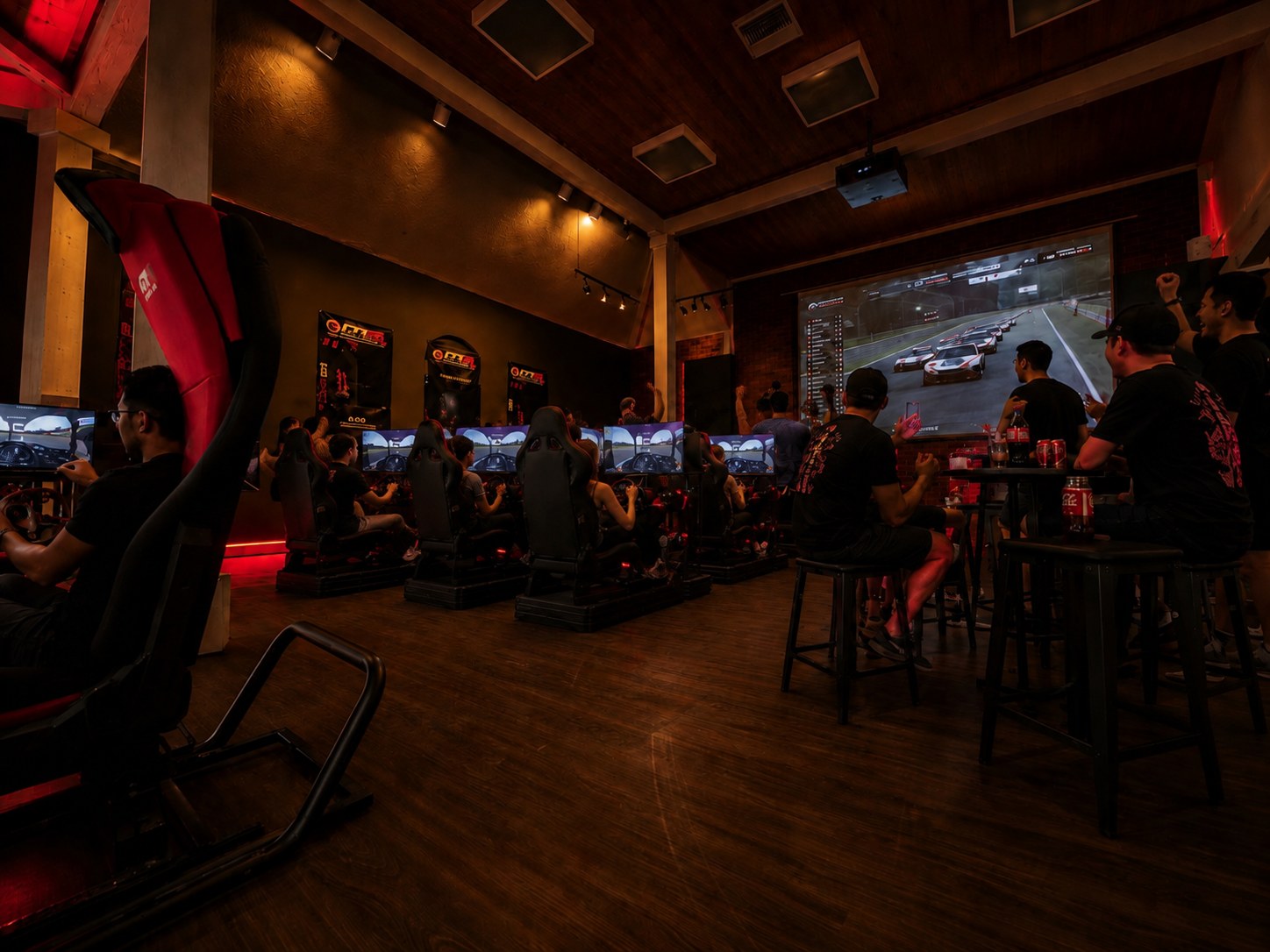
A sim cockpit can make a fast wheelbase feel incredible - or expose every weakness in your setup the moment you hit the brakes hard. That is why learning how to choose sim cockpit hardware the right way matters so much. The right chassis does more than hold a wheel and pedals. It sets your driving position, controls flex, protects your upgrade path, and turns a casual gaming corner into a serious performance environment.
What matters most when you choose a sim cockpit
Most buyers start with the wrong question. They ask which cockpit looks best or which one has the biggest discount. The smarter question is whether the cockpit matches your hardware, your room, and the kind of driving experience you actually want.
If you mainly play on a gamepad and want to test sim racing without dedicating permanent floor space, a compact or foldable cockpit can make sense. If you already own a direct drive wheel, load cell pedals, triple monitors, or motion-ready ambitions, a lightweight frame will usually become the weak link. A premium cockpit should feel planted under pressure, not busy surviving it.
That trade-off is where most buying mistakes happen. Portability is convenient. Rigidity is performance. You rarely get maximum levels of both in the same product, so the best choice depends on what you are asking the cockpit to do.
Start with your hardware, not the frame
Before you compare seats, finishes, or accessories, look at the gear you plan to mount. Wheelbase torque, pedal braking force, shifter use, handbrake use, monitor setup, and even your preferred sim titles all influence what the cockpit needs to handle.
A belt-driven wheel and basic two-pedal set place far less stress on a chassis than a high-torque direct drive motor paired with load cell or hydraulic pedals. The stronger your equipment gets, the more cockpit stiffness matters. Flex at the wheel deck or pedal plate does not just feel cheap. It interrupts precision, especially when you are trying to repeat braking points or catch a car at the limit.
This is also where compatibility becomes a buying priority, not an afterthought. Universal mounting support is essential if you want freedom to change brands later. A cockpit that fits your current wheel but forces compromises when you upgrade is not a long-term value play.
Think one upgrade ahead
A cockpit should outlast several rounds of hardware changes. Many enthusiasts upgrade in stages - first the wheelbase, then pedals, then display configuration, then accessories. If your frame can only support your current entry-level setup, you may end up replacing the entire rig sooner than expected.
That is why serious buyers often choose a chassis with more capacity than they need on day one. It gives you room to grow into stronger pedals, heavier wheelbases, integrated monitor stands, or flight controls without rebuilding from scratch.
The seat position changes everything
A cockpit can have excellent materials and still feel wrong if the seating geometry is off. Ergonomics are not a luxury feature. They are the difference between running a long session in control and climbing out with lower back pain and numb legs.
Your preferred driving style matters here. GT and road-car seating positions are generally more upright and versatile. Formula-style positions place the legs higher and can feel more immersive for open-wheel fans, but they are not always ideal for every body type or every use case. If one cockpit claims to do both, pay attention to how adjustable it really is.
Seat sliders, backrest angle, wheel height, pedal distance, and pedal angle all need enough range to fit your body. If more than one person will use the rig, that range matters even more. Shared setups are where adjustability stops being a nice feature and becomes a must-have.
Comfort and control are connected
A good seating position improves more than comfort. It helps you brake consistently, steer with less strain, and keep your inputs smooth when fatigue sets in. That is part of realism too. Professional-grade immersion is not only about force feedback and visuals. It is about putting your body in a position where the hardware works with you.
Space decides more than budget does
Some buyers have the money for a full fixed rig with integrated screens and accessories, but they do not have a room that can support it. Others assume they need to start small because they are working with a modest footprint, when a well-planned fixed cockpit would actually fit better than a folding setup constantly being moved around.
Measure the full operating footprint, not just the base dimensions. You need room for the seat travel, monitor distance, entry and exit, cable routing, and any side-mounted controls. If you plan to add triples, a freestanding monitor stand, or flight peripherals later, account for that now.
This is where foldable cockpits earn their place. They are ideal when space is truly limited and quick storage matters. But there is a performance ceiling. The more compact and collapsible a design is, the more likely it is to compromise on rigidity, accessory mounting, or ideal ergonomics. For casual use, that may be perfectly acceptable. For advanced sim racing, it usually is not.
How to choose sim cockpit construction
Materials and design tell you a lot about how a cockpit will perform over time. A strong frame should resist torsional flex, stay stable under hard braking, and hold alignment after repeated use. That matters whether you are sprint racing online, building content, or spending hours in a flight sim.
Tubular steel designs can offer a clean look and strong value when engineered well. Aluminum profile cockpits are often favored by dedicated builders because they are highly rigid, modular, and easier to customize with accessories. Neither style is automatically better in every case. The better choice depends on how much flexibility you want and how aggressive your hardware is.
If your goal is a polished turnkey experience, an integrated premium cockpit can be the right move. If your goal is endless customization, profile-based systems often have an edge. What matters is not chasing the most industrial-looking frame. It is matching the construction to your use case.
Watch for hidden weak points
Two cockpits can look similar in photos and perform very differently in person. Pedal deck support, wheel mount reinforcement, side-arm stiffness, seat rail quality, and hardware tolerances all affect the feel of the rig. This is where premium engineering separates showroom appeal from actual track-ready confidence.
A cockpit should feel like a foundation, not a compromise. If the frame moves before the car does, you are leaving immersion and consistency on the table.
Displays, accessories, and realism
The cockpit is the center of the simulator ecosystem, so think beyond the frame itself. If you plan to run a single monitor now and VR later, or start with a desktop screen before moving to triples, make sure the cockpit can support that transition. The same goes for keyboard trays, shifter mounts, handbrake mounts, speaker options, button boxes, and motion compatibility.
This is where serious simulator buyers separate from impulse buyers. A cockpit is not just a stand. It is the platform that determines how cleanly your entire setup comes together. A strong ecosystem makes upgrades easier, cable management cleaner, and the final rig more immersive.
For racers and aviation users crossing into both disciplines, modularity is especially valuable. A cockpit that can adapt to new controls and changing layouts offers more long-term performance than one locked into a single narrow configuration. That kind of flexibility is part of what makes a premium simulator investment worthwhile.
Budget honestly, then buy for longevity
The cheapest cockpit is often expensive in the long run. If it flexes, limits your hardware choices, or forces a replacement when you upgrade, the low price does not stay low for long.
That does not mean everyone should buy the biggest rig available. It means you should buy according to the level of realism and progression you want. Entry-level users can absolutely start with a more compact solution if the goal is occasional racing and easy storage. Enthusiasts planning to build a serious home simulator should treat the cockpit like foundational hardware and spend accordingly.
A well-chosen cockpit keeps paying you back through better ergonomics, better stability, and a smoother path to future upgrades. That is where brands like GTR Simulator stand out - not just with aggressive styling and professional-grade realism, but with ecosystems built around compatibility, adjustability, and long-term ownership.
The best choice is the one that fits your next two years
If you are still deciding how to choose sim cockpit options, stop thinking only about what you need this weekend. Think about what your setup will look like after the next wheel upgrade, the next pedal upgrade, or the moment you decide a single monitor is no longer enough.
The right cockpit should fit your body, your hardware, your space, and your ambition. It should make every lap feel more connected and every upgrade feel easier to justify. Buy for the experience you are building, not just the product you are assembling.
Share:
How to Build Racing Simulator Setup Right
Direct Drive Wheelbase Review for Serious Sims