

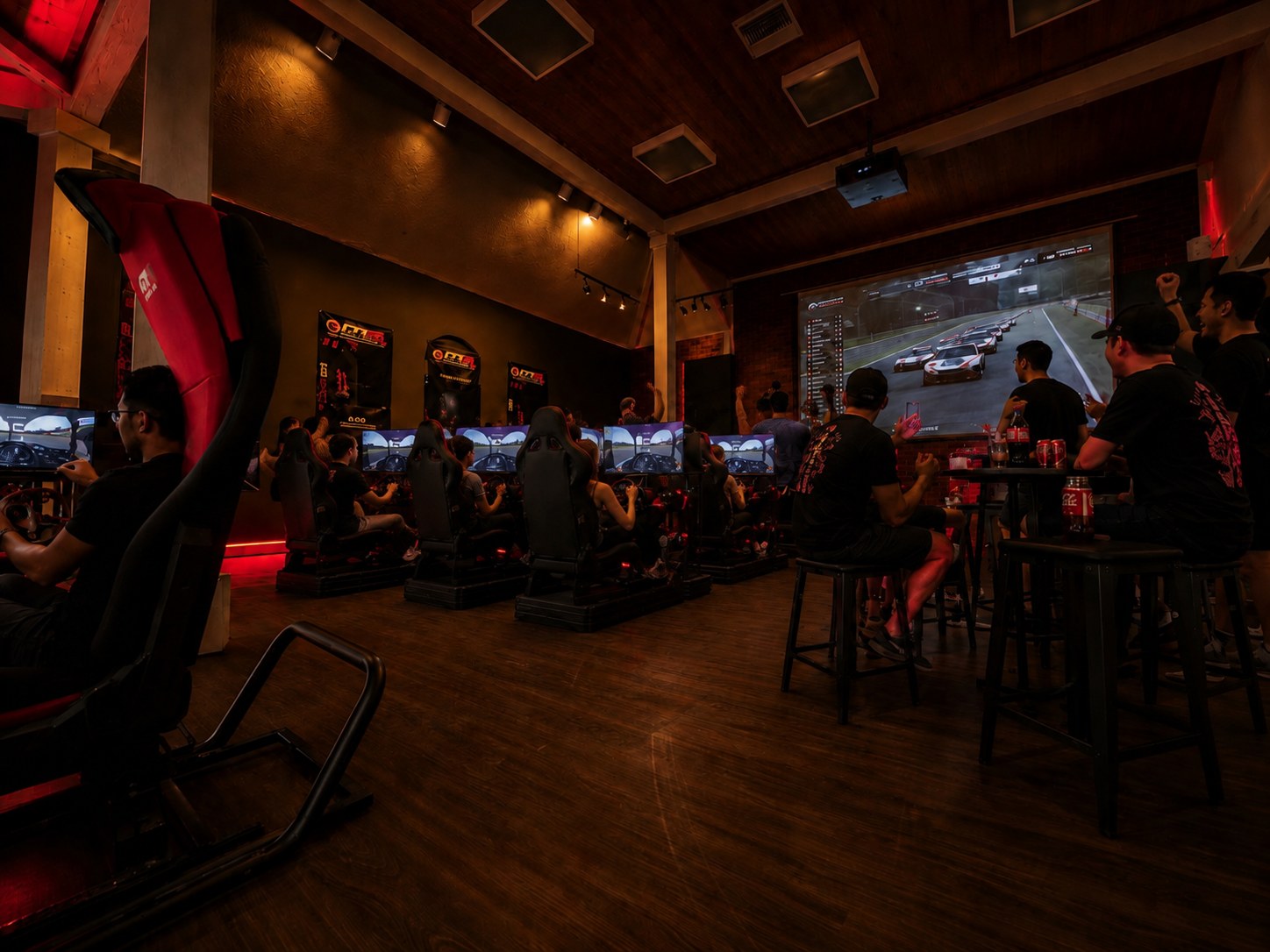
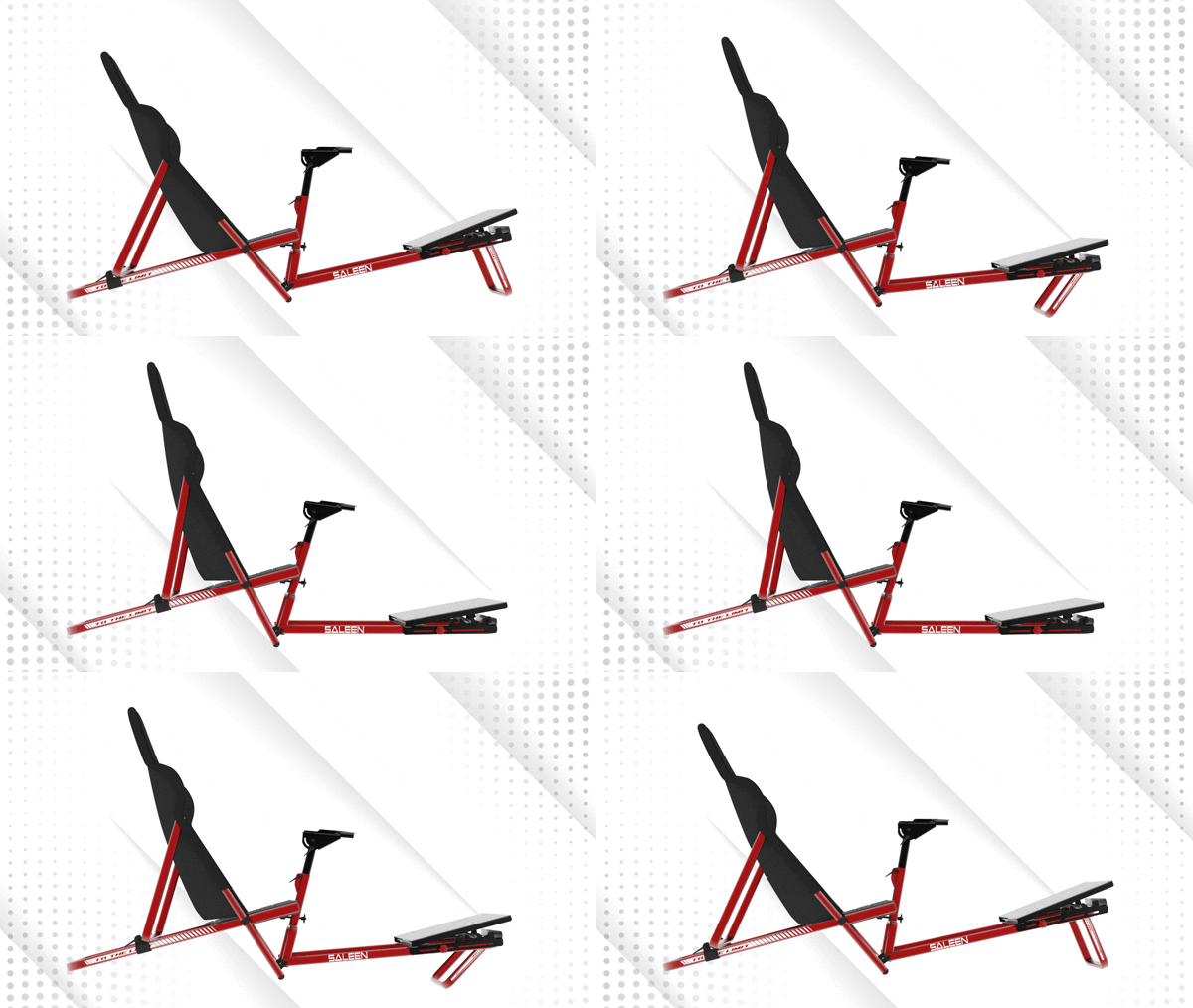
A foldable racing simulator cockpit only earns its place if it does two jobs at once: deliver serious driving immersion when you are on track, and disappear fast when real life needs the room back. That balance sounds simple. In practice, it is where cheap rigs fall apart. They flex under braking, wobble under force feedback, and make every session feel like a compromise. A well-engineered foldable cockpit is different. It gives you the mechanical confidence to push harder, trail brake later, and drive with consistency, then folds away without turning your home into a permanent garage.
Why a foldable racing simulator cockpit matters
For a lot of sim racers, space is the real budget. You may have the wheelbase, pedals, and monitor plan figured out, but not the luxury of dedicating an entire room to a fixed chassis. That is exactly where a foldable racing simulator cockpit becomes a smart performance buy instead of a second-choice setup.
The best designs solve a real problem without watering down the experience. You still need a rigid wheel deck, stable pedal support, and an adjustable driving position that does not punish your back after an hour of racing. If the cockpit folds but loses structural confidence, it misses the point. Portability should be a feature, not the headline at the expense of realism.
That trade-off is what separates entry-level convenience products from enthusiast-grade hardware. A serious foldable rig should still feel planted under load, especially if you are pairing it with stronger wheelbases or load cell pedals. If you race regularly, the difference is obvious in the first few laps.
What separates a good foldable cockpit from a weak one
A lot of buyers focus on the folding mechanism first. That makes sense, but it should not be the lead spec. The real test is what happens when the cockpit is fully opened and under stress.
Frame rigidity is the starting point. Force feedback puts torque into the steering column mount, and heavy braking drives pressure into the pedal plate. If those two zones flex, your inputs become less precise. You feel it as vagueness through the wheel and inconsistency in your footwork. For casual play, maybe that is acceptable. For anyone chasing lap time, practicing racecraft, or building muscle memory, it is not.
Adjustability matters just as much. A cockpit that folds but locks you into an awkward seating angle will get old fast. Wheel height, pedal distance, and seating position need enough range to support different drivers and different hardware styles. GT, formula-inspired, and hybrid seating preferences all ask slightly different things from the chassis. The more adaptable the platform, the longer it stays relevant as your setup evolves.
Then there is setup speed. Folding only helps if the process is quick and repeatable. You should be able to move from storage mode to race mode without re-leveling everything or spending fifteen minutes tightening knobs. A premium foldable racing simulator cockpit should feel intentional in both states - compact when stored, confident when deployed.
The biggest buying mistake
The most common mistake is buying for footprint alone. People see the smallest folded dimensions and assume that is the win. It is only a win if the rig still supports the gear you actually want to use.
A cockpit might look compact online but struggle with a stronger direct drive wheel, a heavier pedal set, or a preferred seating position. That creates an expensive dead end. You either underuse your hardware to protect the frame, or you replace the cockpit sooner than expected.
A smarter approach is to buy for your next stage, not just your current setup. If you know you want to upgrade from entry-level pedals to load cell pedals, or from a gear-driven wheel to something more powerful, your cockpit should already be ready. That is how a foldable rig becomes a long-term investment instead of a temporary fix.
Who should buy a foldable racing simulator cockpit
This category is ideal for sim racers who want credible realism without committing to a permanent room build. Apartment dwellers, shared-space gamers, content creators with multi-use studios, and serious hobbyists who need to reclaim floor space are the clearest fit.
It also works well for drivers moving up from desk-mounted hardware. If you have already outgrown the clamp-and-chair phase, a foldable cockpit is often the first real jump in control, comfort, and immersion. The track comes to your house, but your house still works like a house.
That said, not every buyer should go foldable. If you already have a dedicated sim room and you run high-torque hardware, a fixed cockpit may still be the better answer. Maximum rigidity is maximum rigidity. There is no point pretending otherwise. But for many enthusiasts, the gap between premium foldable and entry fixed rigs is not as wide as people think. Engineering matters more than the category label.
How to evaluate compatibility before you buy
Compatibility is where smart buyers protect themselves. A cockpit is not just a seat and frame. It is the foundation for your entire simulator ecosystem.
Start with the wheel mount. Check whether it supports the wheelbase type you plan to run now and later. Then look at pedal mounting options, especially if your pedal set needs a specific bolt pattern or benefits from angle adjustment. If you are using a shifter, handbrake, or other add-ons, make sure the frame supports those accessories without turning into a DIY project.
Monitor strategy matters too, even if the cockpit itself is foldable. Some users race with a nearby desk monitor or TV and keep things simple. Others want a more integrated feel with a dedicated stand that stays in place. Neither is wrong. It depends on how often you race, how quickly you want to set up, and how immersive you want the final environment to feel.
The strongest brands build around universal compatibility because enthusiasts upgrade in stages. That is the right mindset. A cockpit should not trap you inside one narrow hardware lane.
Performance and comfort go together
People talk a lot about immersion, but the real performance gain often comes from ergonomics. When your body is stable, your inputs get cleaner. Your shoulders stay relaxed. Your braking becomes more repeatable. Long sessions stop feeling like a wrestling match with your furniture.
That is why seat support and driving posture are not cosmetic details. They directly affect endurance and consistency. A foldable cockpit needs to preserve that foundation, even while solving for portability. If it saves space but leaves you cramped, sliding, or overreaching, it is not doing the job.
Professional-grade realism is not just about stronger force feedback or louder branding. It is about creating a driving position that supports confident, repeatable control. That is what makes practice feel productive instead of random.
What premium buyers should expect
If you are shopping in the enthusiast-to-prosumer range, you should expect more than basic convenience. You should expect engineered rigidity, clean adjustability, serious peripheral support, and a design that feels purpose-built rather than improvised.
You should also expect a product ecosystem behind the cockpit. That includes upgrade paths, accessory compatibility, warranty coverage, and support that understands sim hardware instead of treating it like generic furniture. This is one reason specialized brands stand apart. When a company designs around realism, modularity, and long-term ownership, the product tends to show it in the details.
GTR Simulator speaks directly to that buyer - the one who wants competitive edge, universal compatibility, and hardware that feels tested for real use, not just packaged for a catalog photo. That matters more with foldable cockpits because the engineering challenge is harder. You are asking one platform to be compact, adjustable, and stable at the same time.
Is a foldable cockpit worth it?
For the right user, absolutely. A foldable racing simulator cockpit can be the sweet spot between convenience and committed performance. It gives you a repeatable driving environment, a cleaner upgrade path than desk mounting, and the freedom to reclaim your space when the session ends.
The key is refusing to buy on folding alone. Buy for rigidity, compatibility, ergonomics, and the kind of racing you actually want to do. If the cockpit can support your hardware and your goals while still fitting your room, that is not a compromise. That is smart engineering.
The best setup is the one you can use often, push hard, and trust every time you sit down. If a foldable cockpit gets you there without sacrificing your living space, you are not settling. You are building a faster home track with less wasted square footage.
Share:
Warehouse Sale Event: Save up to 50% on Premium Racing Gear
Best Sim Racing Cockpit for Home Buyers