

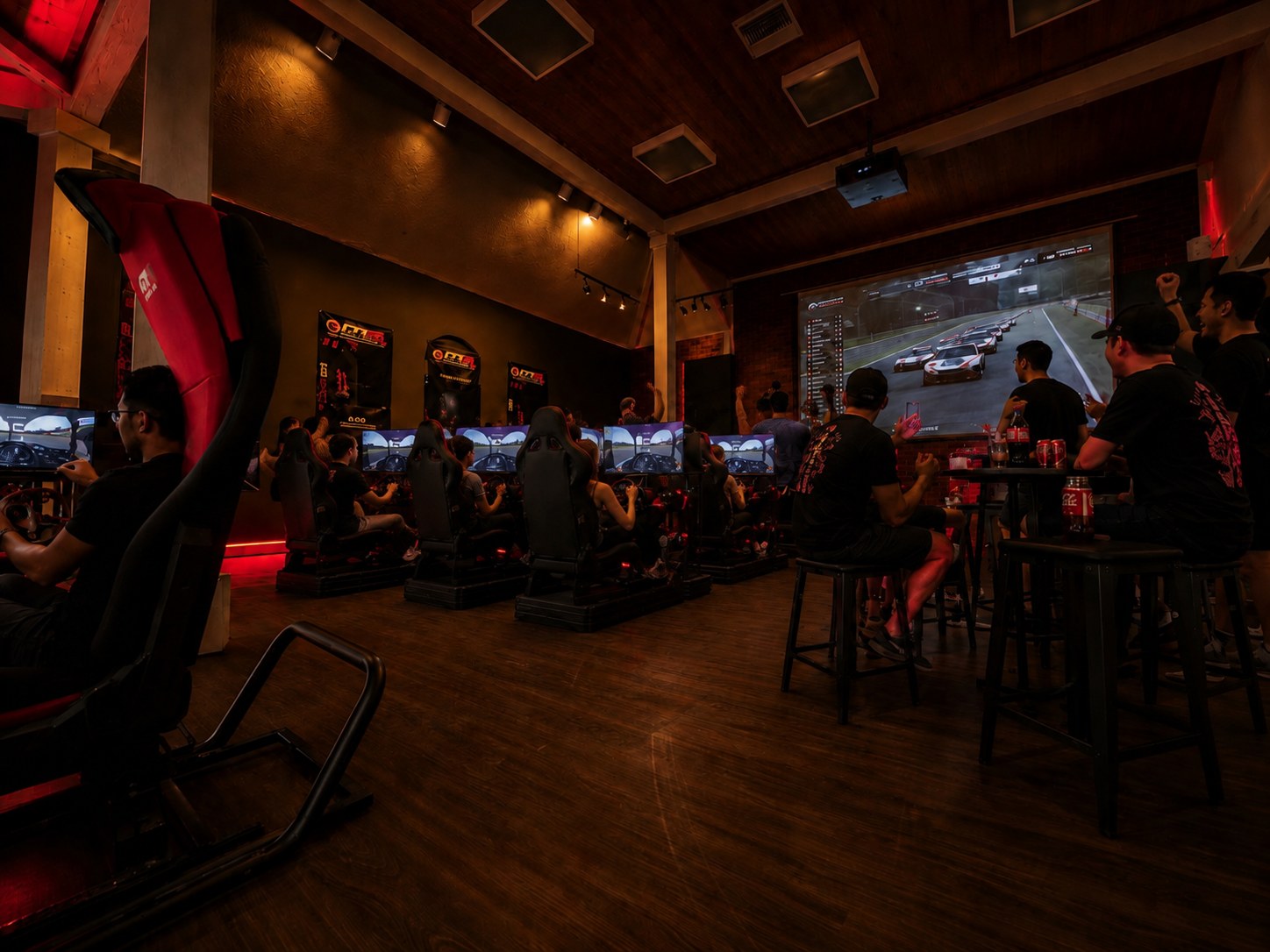
A cockpit can look aggressive in photos and still fall apart where it matters - under braking, through force feedback, and across long sessions where bad ergonomics expose every shortcut. That is exactly why a saleen racing simulator cockpit gets attention from serious drivers. It is not just about branding. It is about combining licensed motorsport identity with the kind of structure, fit, and immersion that make training at home feel intentional instead of improvised.
For buyers moving beyond entry-level rigs, the question is not whether a cockpit holds a wheel and pedals. Almost anything can do that. The real question is whether the platform supports consistent inputs, clean adjustability, and a believable driving position that helps you build skill over time. That is where a premium cockpit starts to justify itself.
What makes a Saleen racing simulator cockpit different
The Saleen name carries weight because it is tied to performance, not decoration. In simulator form, that matters when the design language is backed by a cockpit that feels engineered rather than merely styled. A strong saleen racing simulator cockpit should deliver a rigid chassis, a driving position that supports proper posture, and compatibility with the wheel, pedal, and display ecosystem you plan to grow into.
That last point matters more than many buyers expect. A cockpit is the foundation of the entire simulator. If the frame flexes under higher-torque wheel bases or shifts under heavy pedal pressure, your inputs become less repeatable. You may still have fun, but you will not get the same confidence in braking zones, corner entry, or trail braking transitions. When the cockpit stays planted, the simulator starts behaving like a training tool rather than a compromise.
Licensed prestige also changes the ownership experience. For enthusiasts who care about motorsport authenticity, a Saleen-branded platform adds more than visual appeal. It creates a stronger connection between the sim and the real performance culture that inspired it. That emotional pull is real, but it only has value when the hardware underneath is worthy of the badge.
The core features that actually matter
A premium cockpit earns its place through engineering choices you feel every lap. Rigidity comes first. Strong frame construction helps preserve the detail your wheel base is trying to communicate. The more advanced your force feedback, the more obvious cockpit quality becomes. On a weak platform, high-end hardware can feel dulled or inconsistent. On a rigid one, road texture, weight transfer, and steering load arrive with more precision.
Seat support is next. A proper simulator cockpit should hold your body in a stable position without forcing you into discomfort after twenty minutes. That means thoughtful seat geometry, practical adjustability, and enough structure to support sustained training sessions. If your torso shifts under braking or your leg position changes because the pedal angle is off, your consistency suffers.
Pedal mounting deserves the same scrutiny. Many drivers underestimate how much braking performance depends on a solid pedal deck. Load cell and performance-oriented pedal sets generate meaningful force. If the mount flexes, the brake feel changes. That can make threshold braking harder to trust. A well-built cockpit keeps the pedal platform firm and adjustable so you can dial in leg extension, angle, and spacing.
Wheel deck stability and mounting options are equally important. Whether you run a traditional wheel and pedal setup or plan to step into a stronger direct drive ecosystem, the cockpit should support that progression without forcing a complete reset. The best platforms leave room to evolve.
Who should buy a Saleen racing simulator cockpit
This kind of cockpit is a strong fit for enthusiasts who are ready to stop treating the chassis as an afterthought. If you already own quality pedals, a stronger wheel base, or a multi-display setup, the cockpit becomes the part that ties the system together. It is also a smart move for first-time premium buyers who want to invest once instead of replacing an undersized rig six months later.
It is especially compelling for drivers who care about realism and identity in equal measure. Some buyers want a neutral black frame and nothing more. Others want the simulator to feel like a statement piece with motorsport credibility. Neither approach is wrong. It depends on whether branded authenticity matters in your build. If it does, a licensed Saleen cockpit delivers a more distinctive experience than a generic frame.
For content creators and dedicated home builders, aesthetics carry practical value too. A simulator that looks intentional on camera and feels substantial in use can elevate the whole room. But the better reason to buy one is still performance. The visual impact should support the hardware story, not replace it.
Saleen racing simulator cockpit setup considerations
Buying the cockpit is only part of the decision. The better question is how it fits into the complete simulator ecosystem. A saleen racing simulator cockpit should be evaluated with your full setup in mind - wheel base, pedals, shifter, handbrake, monitor stand, display choice, audio, and future upgrade path.
Space comes first. Fixed cockpits deliver better stability than compact foldable alternatives, but they demand commitment. Measure the room, not just the footprint. You need clearance for seating position, monitor distance, cable management, and comfortable entry and exit. If the simulator will live in a shared room, think through how permanent you want the installation to feel.
Then consider your display strategy. A single monitor can work very well when positioned correctly, especially for buyers focused on simplicity and value. Triple monitors increase immersion and peripheral reference points, but they also add cost, complexity, and space requirements. VR changes the equation again by prioritizing depth and presence over physical screen layout. The cockpit should be able to support your preferred route without creating mounting headaches.
Hardware compatibility is another practical checkpoint. A serious cockpit should accommodate a broad range of popular racing peripherals. That flexibility protects your investment. You may start with one wheel base and pedals, then upgrade as your skill and expectations rise. A cockpit that supports that evolution has better long-term value than one that locks you into a narrow hardware path.
Realism, training, and why the chassis matters more than most people think
Drivers often chase immersion through screens, graphics, or accessories first. Those upgrades can help, but the chassis is what makes the experience believable at a physical level. The moment you lean into a braking zone and the cockpit holds firm, you understand why foundation matters.
That stability changes how you learn. Instead of compensating for movement in the rig, you can focus on driving technique. Your pedal pressure becomes more repeatable. Your steering inputs become cleaner. Your seating position stays consistent from one session to the next. Those details add up, especially if your goal is to improve lap time, racecraft, or overall confidence rather than simply log casual miles.
This is also where premium cockpit design connects directly to real-world driver development. A stable, ergonomic simulator helps bridge virtual practice and actual performance habits. It will not replace seat time in a real car, but it can sharpen rhythm, vision, control discipline, and familiarity with vehicle behavior. That is a very different value proposition than a setup built only for occasional use.
Is it worth the premium?
For some buyers, yes immediately. For others, not yet. If you are still figuring out whether sim racing will become a serious part of your routine, a top-tier cockpit may be more machine than you need on day one. But if you already know you want stronger hardware, longer sessions, and a more credible training environment, buying quality early often costs less than upgrading twice.
The premium makes the most sense when you value four things at once: structural rigidity, licensed authenticity, upgrade compatibility, and long-term ownership satisfaction. If only one of those matters, a simpler cockpit might be enough. If all four matter, a Saleen platform becomes much easier to justify.
That is also why specialist brands have an edge here. A company focused on immersive simulation, product integration, and hands-on user experience is better positioned to match the cockpit to the rest of the system. For buyers who want a more informed path into premium simulation, that guidance matters almost as much as the hardware itself.
A strong simulator starts with a strong foundation. If you want the track to come to your house in a way that feels credible, repeatable, and built for progression, choose the cockpit like it is the performance part it really is.
Share:
Tactical Flight Simulator Cockpit Guide
Adjustable Sim Rig for Tall Drivers That Fits